


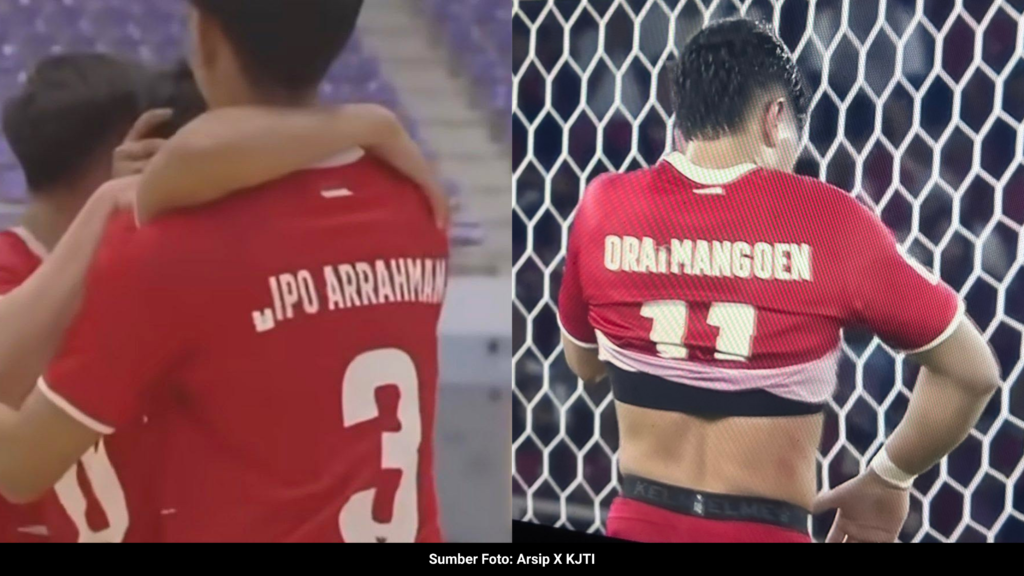
We see it every weekend. A player is sweating it out in a high stakes match, and suddenly, their squad number starts hanging by a thread. The immediate reaction across social media is total chaos, with keyboard warriors instantly taking aim at the kit manufacturer. But before you fire off that angry post trashing the apparel brand, it is time to get educated on the actual backstage operations of the kit room.
The reality of modern football logistics is brutally fast paced. Clubs and national teams frequently outsource the production of namesets and sleeve patches to third party vendors just to meet impossible turnaround times. While this guarantees the physical vinyl is ready for matchday, it creates a massive technical blind spot. The adhesive materials used by these independent suppliers often clash completely with the highly engineered, player issue fabrics developed by the main apparel brand. With absolutely zero time for rigorous durability testing, the letters are applied hoping for the best, resulting in a weak bond that easily fails under the extreme friction of a professional fixture.
The disconnect deepens right at the heat press. There is a massive gap between the lab where the shirt was engineered and the backroom where it gets finalized. The personnel in charge of preparing the kits are frequently left in the dark without proper knowledge transfer regarding the exact heat, pressure, and timing required to bind the vinyl to that specific seasonal fabric. Approaching kickoff, whoever is manning the machine is basically forced to act speculatively. If the application technique is even slightly off, the premium fabric literally rejects the adhesive. Throw in elite level sweat and heavy physical contact, and those numbers simply do not stand a chance.

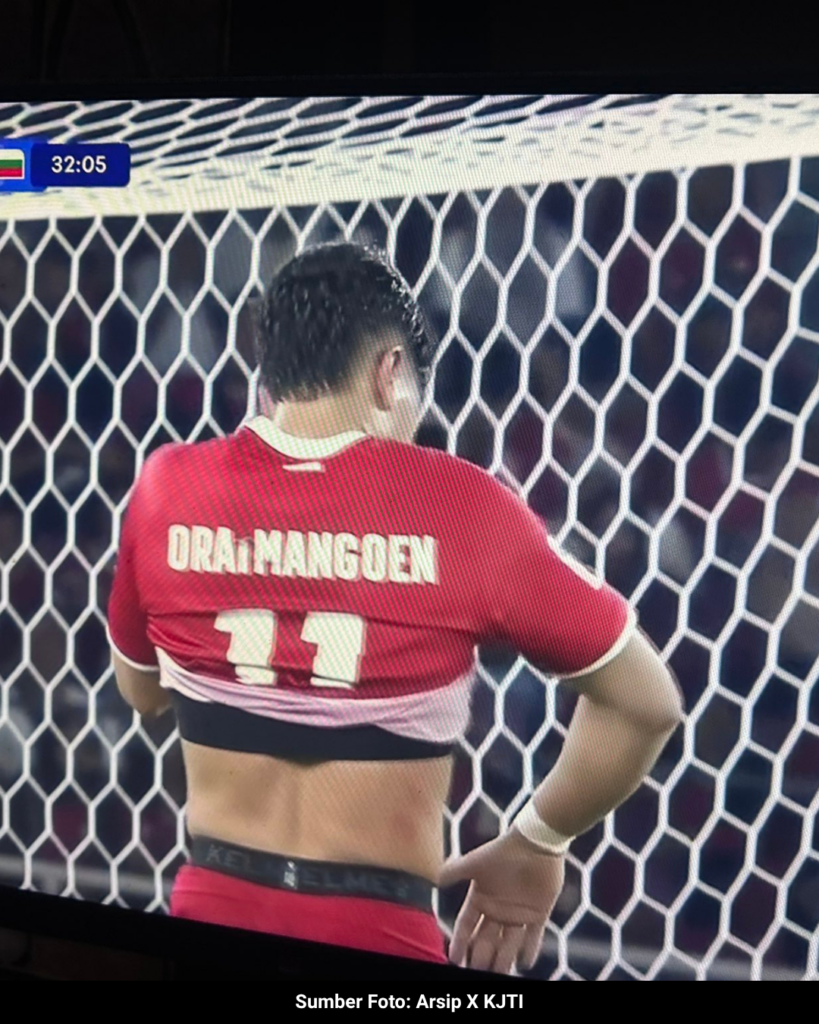

Kit culture is all about appreciating the finer details and understanding the process. The next time a patch or a name drops off on live television, look past the maker’s mark on the chest. It is rarely a foundational design flaw. It is just the chaotic, high speed reality of football logistics.